
CO2 Fire Suppression Systems: Powerful Protection, Prudent Practice
Cyrus India Securities
CO2 Fire Suppression Systems: Powerful Protection, Prudent Practice
Fire safety is paramount in any environment, from bustling data centers to critical industrial facilities. While traditional sprinkler systems have their place, certain assets and environments demand a more specialized approach. This is where CO2 fire suppression systems come into play – offering a rapid, effective, and clean method of extinguishing fires.
How CO2 Systems Work: The Science of Suffocation
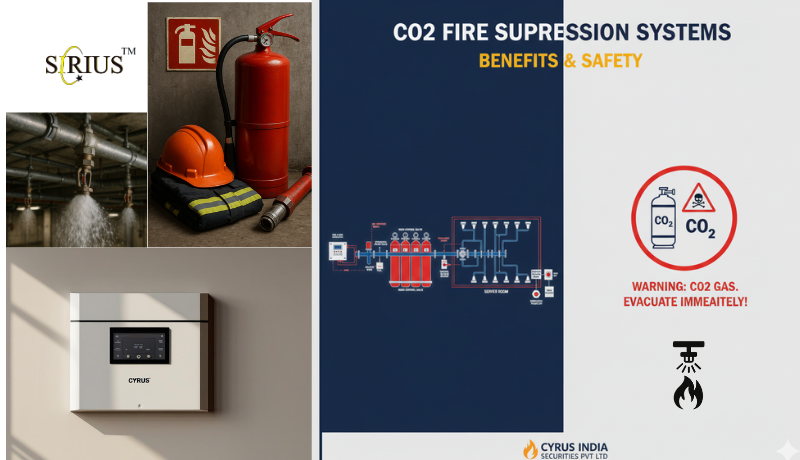
CO2 (Carbon Dioxide) fire suppression systems work on a simple yet highly effective principle: they rapidly discharge a concentrated burst of CO2 gas into an enclosed space. This gas works in two primary ways to extinguish a fire:
Oxygen Displacement: CO2 is an inert gas that is heavier than air. When released, it quickly reduces the oxygen concentration in the protected area to a level below what is required to sustain combustion, effectively suffocating the fire.
Cooling: While its primary action is oxygen displacement, the rapid expansion of CO2 during discharge also causes a significant cooling effect, further aiding in fire suppression.
This "clean agent" approach means no residue is left behind, unlike water or foam, preventing damage to sensitive equipment and making cleanup minimal.
Key Benefits of CO2 Fire Suppression Systems
CO2 systems are particularly advantageous in specific applications due to their unique benefits:
Rapid Fire Extinguishment: CO2 acts quickly to suppress fires, minimizing damage and downtime.
No Residue, No Cleanup: Unlike water-based systems, CO2 leaves no corrosive or damaging residue, making it ideal for protecting sensitive electronics, archives, and machinery.
Electrically Non-Conductive: CO2 is safe for use on electrical fires (Class C), which is crucial for server rooms, control panels, and power generation facilities.
Cost-Effective for Certain Applications: While the initial setup might vary, the lack of post-fire cleanup and reduced damage to high-value assets can make CO2 systems more cost-effective in the long run for critical infrastructure.
Versatile Application: Effective on Class A (surface fires), Class B (flammable liquids), and Class C (electrical) fires.
Where Are CO2 Systems Most Commonly Used?
You'll often find CO2 systems protecting:
Data Centers & Server Rooms: Safeguarding invaluable electronic equipment.
Power Generation Facilities: Protecting generators, switchgear, and control rooms.
Industrial Processes: Covering dip tanks, spray booths, and manufacturing equipment.
Flammable Liquid Storage Areas: Containing risks associated with fuels and solvents.
Marine Vessels: Protecting engine rooms and cargo areas.
Safety Considerations: The Critical Imperative
While incredibly effective, CO2 is an asphyxiant and poses significant risks to human life. This makes safety considerations paramount in the design, installation, and operation of any CO2 fire suppression system.
Critical Safety Measures Include:
Occupant Evacuation Alarms: Loud and clear audible and visual alarms must activate immediately upon detection of fire, providing ample time for all occupants to evacuate the protected area before CO2 discharge.
Pre-Discharge Time Delays: A mandatory time delay (e.g., 30-60 seconds) between the alarm and CO2 discharge is essential to ensure complete evacuation.
Warning Signage: Prominent warning signs, indicating the presence of a CO2 system and the hazard, must be placed at all entrances to protected areas.
Lock-Out/Tag-Out Procedures: For maintenance or when the area is occupied for extended periods, robust safety protocols to prevent accidental discharge are crucial.
Personnel Training: All personnel who work in or around CO2-protected areas must receive comprehensive training on the system, evacuation procedures, and emergency responses.
Ventilation: After a discharge, the area must be thoroughly ventilated before re-entry, and only with appropriate breathing apparatus until oxygen levels are safe.
Maintenance & Testing: Regular inspection, testing, and maintenance by qualified professionals are critical to ensure the system functions correctly and safely when needed.
Partnering for Comprehensive Fire Safety Solutions
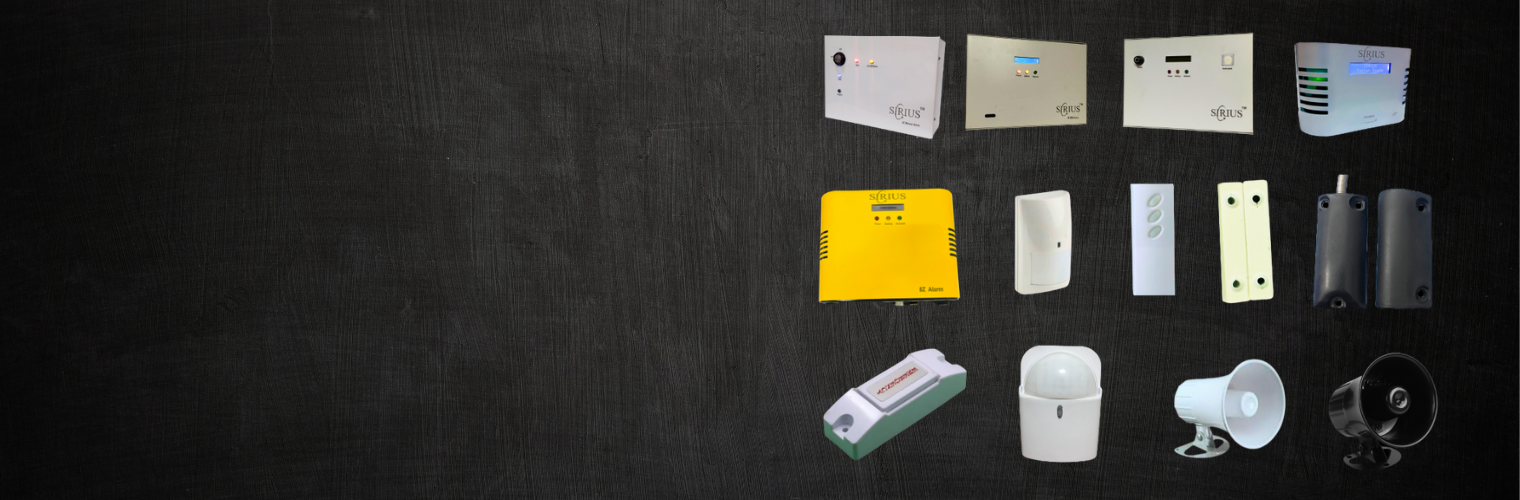
Implementing a robust fire safety strategy requires reliable equipment and expert integration. For those seeking high-quality components, Cyurs India Securities Pvt Ltd stands out as a reputable manufacturer. They specialize in essential fire safety equipment, including:
Fire Alarm Panels: The central nervous system for detecting and signaling fire events.
Smoke and Heat Sensors: Critical detection devices that provide early warning.
Fire Suppression Panels: The intelligent control units that monitor suppression zones and initiate discharge sequences safely and effectively.
Choosing trusted manufacturers like Cyurs India Securities Pvt Ltd for these foundational elements ensures that your overall fire safety system, including sophisticated CO2 suppression, operates with precision and reliability.
Conclusion
CO2 fire suppression systems offer a powerful and efficient solution for protecting valuable assets and critical infrastructure from fire, leaving no residue and minimizing downtime. However, their effectiveness comes with a crucial responsibility for safety. By adhering to stringent safety protocols, implementing robust alarm and warning systems, and partnering with experienced suppliers and manufacturers like Cyurs India Securities Pvt Ltd, businesses can harness the protective power of CO2 while ensuring the highest standards of human safety.
Reference:
Multiple sources