

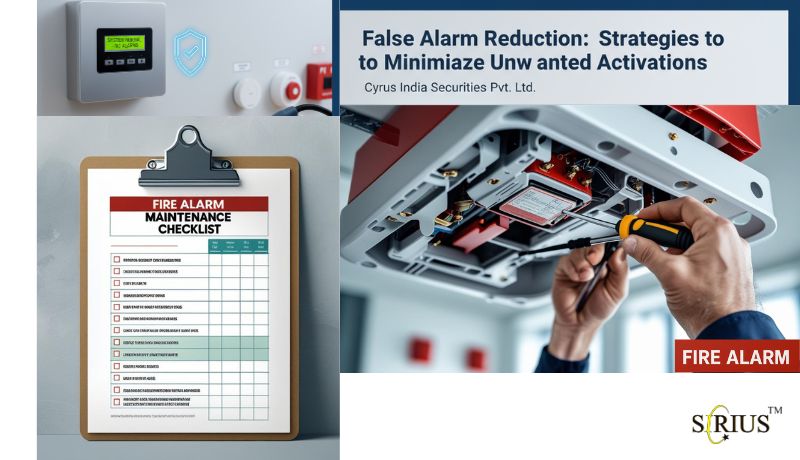
False Alarm Reduction: Strategies to Minimize Unwanted Activations
Cyrus India Securities | 24-Feb-2026
False Alarm Reduction: Strategies to Minimize Unwanted Activations
False alarms – those jarring, inconvenient, and sometimes costly interruptions – are a common nuisance in fire safety systems. While the primary goal of any fire alarm is to protect lives and property, frequent false activations can lead to complacency, disrupt operations, and even incur fines. For businesses and institutions, minimizing these unwanted alerts is crucial.
This blog explores effective strategies for reducing false alarms, ensuring your fire safety system remains a reliable guardian, not a source of frustration.
Understanding the Culprits: Common Causes of False Alarms
Before we dive into solutions, it's important to understand what often triggers these false alerts. Common culprits include:
Environmental Factors: Dust, steam, cooking fumes, aerosols, and even extreme temperature changes can mimic the presence of smoke or heat, activating detectors.
System Malfunctions: Faulty wiring, aging detectors, low battery power, or control panel issues can lead to erroneous activations.
Human Error: Accidental activation of pull stations, improper maintenance, or even vandalism can trigger a false alarm.
Improper Installation or Placement: Placing detectors too close to kitchens, bathrooms, or vents can make them overly sensitive to non-threatening stimuli.
Lack of Maintenance: Neglecting regular cleaning and testing can lead to dust buildup in detectors, increasing sensitivity to false positives.
Strategies for Minimizing False Alarms
Here are actionable steps to take to reduce the incidence of false alarms:
1. Smart Detector Selection and Placement
The type and location of your detectors are paramount.
Choose the Right Detector for the Environment:
Multi-sensor detectors: These combine smoke and heat detection, requiring both parameters to be met before activation, significantly reducing false alarms from a single source like steam.
Photoelectric detectors: Generally less susceptible to false alarms from cooking fumes compared to ionization detectors, making them suitable for areas near kitchens.
Heat detectors: Ideal for dusty or steamy environments where smoke detectors would frequently trigger.
Strategic Placement: Avoid placing smoke detectors directly above cooking appliances, near vents, in extremely dusty areas, or in bathrooms. Always adhere to manufacturer guidelines for spacing and location.
2. Regular and Thorough Maintenance
Prevention is better than cure. A robust maintenance schedule is your best defense against false alarms.
Routine Cleaning: Dust and debris can accumulate in smoke detectors, making them overly sensitive. Regular, gentle cleaning with a vacuum or compressed air can prevent this.
Scheduled Testing: All components of your fire alarm system – detectors, pull stations, control panels, and sirens – should be tested periodically by qualified technicians. This helps identify faulty equipment before it causes a false alarm.
Battery Replacement: Ensure all battery-powered components have fresh batteries, as low power can sometimes lead to erratic behavior.
Software Updates: For addressable and intelligent systems, ensure the control panel software is up-to-date, as manufacturers often release updates to improve performance and reduce false alarms.
3. Implement Advanced Fire Alarm Technologies
Modern fire alarm systems offer features designed specifically to reduce false alarms.
Intelligent/Addressable Systems: These systems provide precise information about the exact location and type of alarm, helping differentiate between a real fire and a false activation. They can also often be programmed with sensitivity adjustments for different zones.
Verification Protocols: Some systems can be programmed with a "two-detector" or "delayed activation" protocol, where a second alarm or a sustained alarm condition is required before a full evacuation signal is initiated. This allows for investigation before a full-blown alert.
Aspiration Smoke Detection: In sensitive or high-value environments, aspirating systems actively draw air samples into a central detection unit, offering highly sensitive and accurate detection with very low false alarm rates.
4. User Training and Awareness
Empowering occupants with knowledge can prevent human-induced false alarms.
Educate on System Operation: Ensure employees or residents understand how the fire alarm system works, what can trigger it, and the proper procedure in case of an alarm.
Discourage Accidental Activations: Clearly label pull stations and educate staff on avoiding accidental bumps or activations during cleaning or movement.
Cooking Best Practices: In areas with cooking facilities, emphasize proper ventilation and safe cooking practices to minimize smoke and fumes that can trigger alarms.
5. Partner with a Reliable Manufacturer and Installer
The quality of your fire alarm and fire suppression panels is foundational to a reliable system. Choosing reputable manufacturers ensures you're installing robust, well-engineered equipment.
In India, Cyrus India Securities Pvt. Ltd. is a prominent manufacturer of advanced fire alarm panels and fire suppression panels. Their commitment to quality and innovation means their products are designed to meet stringent safety standards, contributing significantly to the overall reliability and false alarm reduction capabilities of your fire safety infrastructure. Investing in high-quality panels from manufacturers like Cyrus India Securities Pvt. Ltd. is a critical step towards building a dependable and efficient fire safety system.
The Benefits of False Alarm Reduction
Minimizing false alarms isn't just about avoiding inconvenience; it offers significant benefits:
Increased Trust: Occupants will trust the system more, ensuring a swifter and more orderly response to genuine emergencies.
Reduced Disruption: Fewer false alarms mean less interruption to business operations, educational activities, or daily life.
Cost Savings: Avoid potential fines from fire departments and reduce the wear and tear on emergency services responding to non-emergencies.
Enhanced Safety Culture: A well-managed system contributes to a stronger overall safety culture within an organization.
Conclusion
False alarms are a challenge, but with a proactive approach encompassing smart technology choices, rigorous maintenance, user education, and quality equipment from trusted manufacturers like Cyrus India Securities Pvt. Ltd., you can significantly reduce their incidence. By doing so, your fire alarm system can truly fulfill its purpose: providing reliable, life-saving protection when it matters most, without unnecessary interruptions.
Reference:
multiple sources